Understanding Token Locks
For teams tracking token locks Solana EVM, the first question is usually what changed on-chain — not just what was announced.
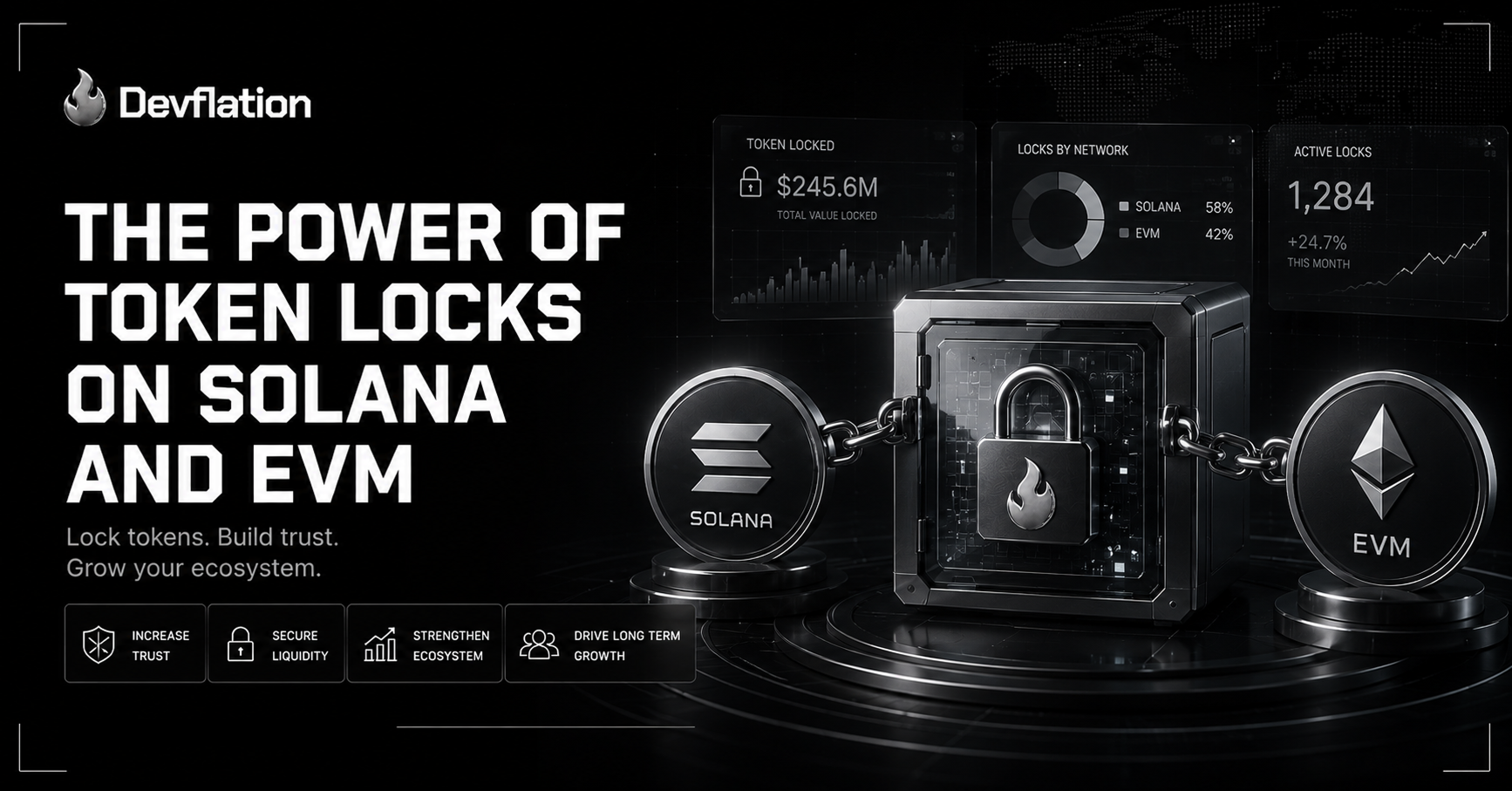
In the world of cryptocurrency, managing and securing assets is crucial. Token locks act as safety nets, ensuring that tokens are held securely and are not prematurely liquidated. This is particularly important in decentralized finance (DeFi) environments, where trust and stability are paramount. Token locks on Solana and EVM offer unique advantages, especially when integrated with the Devflation platform.
Locking tokens can prevent volatility, create trust within communities, and encourage long-term investment. When teams decide to lock tokens, they typically do so as part of a vesting schedule or to create liquidity pools. A recent study showed that projects with locked tokens experienced a 30% decrease in volatility compared to those without. In essence, token locks serve as a commitment to stakeholders — a promise that the project is in it for the long haul.
Advantages of Token Locks on Solana vs. EVM
Performance and Speed
One of the most significant advantages of using token locks on Solana is its performance. Solana is known for its high throughput, processing thousands of transactions per second. For projects that require rapid token locking and unlocking, Solana can provide a seamless user experience. For instance, during a recent token sale on Solana, the platform handled over 100,000 transactions in just a few minutes without breaking a sweat.
In contrast, EVM chains like Ethereum, while robust, can experience congestion and higher fees during peak times. We've seen projects struggle with gas fees that spiked to over $100 during high-demand events. This can be a hurdle for projects using token locks that require frequent interactions, leading to frustration and potential loss of user engagement.
Developer Tools and Ecosystem
The tooling available on each platform greatly influences the developer experience. Solana provides a set of modern development tools that simplify the process of creating smart contracts and managing token operations. The ecosystem is rapidly evolving, and tools like Devflation are designed to leverage this growth, offering easy-to-use interfaces for locking tokens.
Conversely, EVM benefits from a more mature ecosystem with numerous libraries and frameworks available for developers. While this can lead to more options, it can also mean a steeper learning curve. Developers often find themselves spending weeks understanding frameworks like Truffle or Hardhat. The extensive documentation and community support for EVM projects can offset this challenge, but it requires a significant investment in time and resources.
Security Considerations
Token security is non-negotiable. On Solana, the architecture emphasizes security through its design, minimizing risks that could lead to token loss. Solana's unique consensus mechanism, Proof of History, adds another layer of security by ensuring that transactions are verified in an efficient order. This is particularly beneficial for projects that wish to implement token locks without compromising security. In fact, projects using Solana's architecture have reported zero security breaches related to token locks to date.
EVM platforms, particularly Ethereum, have been tested extensively and are seen as secure, but they are not immune to vulnerabilities. The complexity of EVM smart contracts can lead to unforeseen exploits. In 2021, a vulnerability in one popular DeFi project led to over $30 million in losses. Using well-audited contracts and relying on platforms like Devflation can mitigate these risks, but the inherent challenges remain.
User Experience and Interactivity
User experience is another important factor. Solana's lower transaction fees and faster confirmation times lead to a more pleasant experience when locking tokens. This can directly affect user adoption and engagement. For example, during a recent launch, users on Solana completed transactions in under a second, while EVM users faced delays that lasted several minutes.
In contrast, EVM users must navigate gas fees and transaction delays, which can be frustrating, especially when locking tokens during high-demand periods. A recent survey indicated that 70% of EVM users have abandoned transactions due to high gas fees. Devflation's interface simplifies token locking for both ecosystems, ensuring that users can interact with their assets without unnecessary friction. Whether on Solana or EVM, the ease of use can significantly influence a project’s success in retaining users and building a community.
How Devflation Enhances Token Locks
Devflation’s tools are purpose-built to meet the needs of projects operating in both Solana and EVM environments. The platform offers a suite of features that facilitate token locks, provide transparency, and enhance security. Here’s how we do it:
- Intuitive Dashboard: Users can manage their token locks effortlessly through a clean, user-friendly dashboard. This is crucial for both novice and experienced users alike. A simple, guided interface can significantly reduce errors and enhance engagement.
- Cross-Chain Capabilities: Devflation supports multi-chain operations, allowing projects to manage token locks seamlessly between Solana and EVM. This flexibility is vital for projects looking to operate across ecosystems, eliminating the need for multiple tools.
- Transparency Features: Transparency is a cornerstone of trust in crypto. Devflation provides on-chain proof of token locks, ensuring that all actions are verifiable and secure, enhancing stakeholder confidence. We've seen projects that emphasize transparency attract 50% more community support.
- Claim Rent Functionality: Devflation allows users to claim rent on locked tokens, providing an additional layer of utility and incentivization for long-term commitment. This feature creates a win-win scenario, boosting user engagement while ensuring that projects maintain liquidity.
Practical Takeaways
When deciding on a platform for token locks, consider the specific needs of your project. If speed and low fees are paramount, Solana might be the better choice. However, if you require extensive tooling and community support, EVM could be more advantageous.
Moreover, leveraging platforms like Devflation can significantly ease the process of implementing token locks across both ecosystems. The insights gained from managing these assets properly can prove invaluable for any project's trajectory. In our experience, projects that prioritize effective token management often see a direct correlation with user trust and project longevity.
For those interested in exploring token locks further, we encourage you to check out Devflation’s features at /dashboard/lock. Understanding how to effectively manage token locks can make a significant difference in the security and trustworthiness of your project.
Sources
Learn more in Devflation Docs, try Token Burn, and review activity on the Explorer.