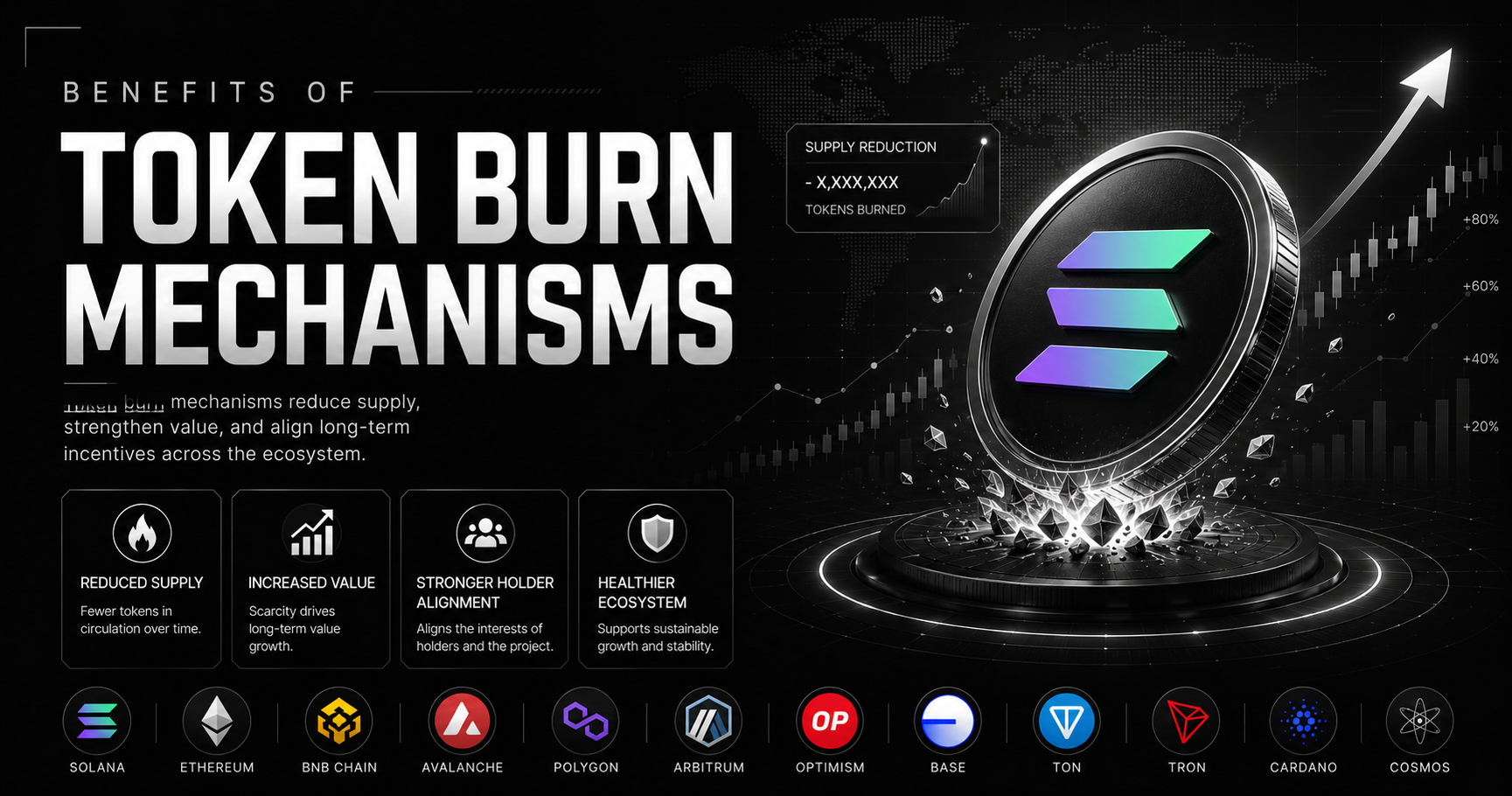
In the blockchain world, inflation is a common challenge that can erode the value of tokens over time. We've seen teams employing various strategies to counteract this, with one of the most effective being token burn mechanisms. These approaches do more than just reduce supply; they play a crucial role in market stability and boosting investor confidence. Let’s unpack how token burns function and why they matter to investors.
Mechanisms of Token Burns
Token burn mechanisms refer to the processes by which tokens are permanently removed from circulation, often through a transaction that sends them to an inaccessible address. While the concept is straightforward, its execution can vary significantly across different platforms.
Types of Token Burn Mechanisms
1. Scheduled Burns: Some projects implement a pre-determined schedule for token burns, often aligning them with milestones or project developments. For example, a protocol may commit to burning a percentage of its total supply annually. This regularity can help stabilize token value over time.
2. Usage-Based Burns: Tokens can be burned as part of transaction fees or service payments. This method ensures that tokens are burned in direct correlation with network activity, effectively tying the burn rate to the platform's growth. A relevant example is the Ethereum network, where a portion of transaction fees is burned, creating a direct link between usage and supply reduction.
3. Buyback and Burn: In this model, the project uses its revenues to buy back tokens from the market and then burns them. This not only reduces supply but can also create upward pressure on token prices by increasing demand. We’ve seen this approach in action with some DeFi protocols that use staking rewards to fund buybacks.
4. Community-Driven Burns: Some ecosystems allow the community to vote on burn amounts or schedules, fostering a sense of engagement and ownership among token holders. For instance, the Shiba Inu project famously involved community votes on burn proposals, creating excitement and a sense of collective responsibility.
Benefits for Investors
Investors often look for ways to safeguard their assets against inflation and market volatility. Token burn mechanisms provide several key benefits:
Enhanced Value Proposition
When a project regularly removes tokens from circulation, it effectively increases scarcity. This can lead to a rise in the token's value—assuming demand remains steady or increases. For example, if a project burns 2% of its total supply each year, investors may anticipate that this will lead to price appreciation over time. We’ve seen instances where projects that implement consistent burns see positive price movements, reinforcing the strategy's appeal.
Mitigating Inflationary Effects
Burning tokens can counteract the inflationary pressures associated with staking rewards or new token emissions. In scenarios where a project continuously issues new tokens, burns can help maintain a balance, thereby protecting the value of existing tokens. Recent discussions have highlighted how effective burn strategies can offset inflationary staking rewards and stabilize the ecosystem (source). For example, in some protocols, burns are timed to coincide with high emission periods to maintain equilibrium.
Increased Investor Confidence
A transparent and consistent token burn strategy can enhance investor trust. When stakeholders see a project actively working to manage supply, they are more likely to believe in its long-term vision. This confidence can lead to increased investment, driving demand and potentially raising prices. A project that commits to regular burns often sees a more stable investment base and reduced volatility.
Community Engagement and Support
Mechanisms that involve community participation in token burns can create a more engaged and dedicated investor base. When holders have a say in burn decisions, it fosters a sense of belonging and responsibility. Projects that implement community-driven burn mechanisms tend to see increased loyalty from their investors. For example, initiatives where community votes on the timing or scale of burns can galvanize support and create a buzz around the project.
Multi-Chain Considerations
The implementation and user experience of token burn mechanisms can differ significantly between chains like Solana and EVM-compatible networks. Understanding these differences is crucial for teams looking to implement effective burn strategies.
Token Burns on Solana
On the Solana chain, token burns can be executed with high throughput and low transaction costs. The native tools allow developers to implement burns efficiently, often as part of the transaction process itself. This seamless integration helps ensure that burns are executed as planned without adding extra friction for users. Projects like Serum have leveraged this efficiency to engage users with burn mechanics that incentivize participation.
Token Burns on EVM-Compatible Networks
In contrast, EVM-compatible platforms may require more complex contract interactions to facilitate token burns. While these networks offer greater programmability, they also introduce additional gas fees and potential for errors during execution. Developers need to be meticulous in their implementation to avoid unintended consequences. Despite these challenges, the flexibility of smart contracts allows for innovative burn mechanisms, such as conditional burns based on network milestones. An example is the Uniswap protocol, which has explored various burn models linked to liquidity provisioning.
Practical Takeaway
For teams looking to implement or refine their token burn mechanisms, consider the following practical points:
- Define Clear Objectives: Before deploying a burn strategy, clarify what you hope to achieve—whether it’s increasing scarcity, restoring price stability, or enhancing community engagement. A well-defined goal is essential for measuring success.
- Communicate Transparently: Keep your community informed about burn schedules and amounts. Transparency builds trust and aligns stakeholders with your project’s goals. Regular updates can help maintain investor interest and involvement.
- Build Flexibility: Especially on EVM-compatible networks, ensure that your burn mechanisms can adapt to changing market conditions without introducing unnecessary complexity. Flexibility can be crucial during volatile periods.
Data Snapshot
No chart data is available for this article.
Conclusion
Token burn mechanisms serve as a critical tool for projects aiming to enhance value and build trust within their communities. Whether on Solana or EVM-compatible networks, understanding how to implement these mechanisms effectively can lead to a more sustainable token economy. For those considering the implementation of burns, tools like Devflation can simplify the process—helping to maintain transparency and efficiency. As we've seen through various examples, a well-structured burn strategy not only reduces supply but also galvanizes investor confidence, creating a healthier ecosystem for all.
For further insights and discussions on token mechanics and ecosystem strategies, check out our blog at /blog.