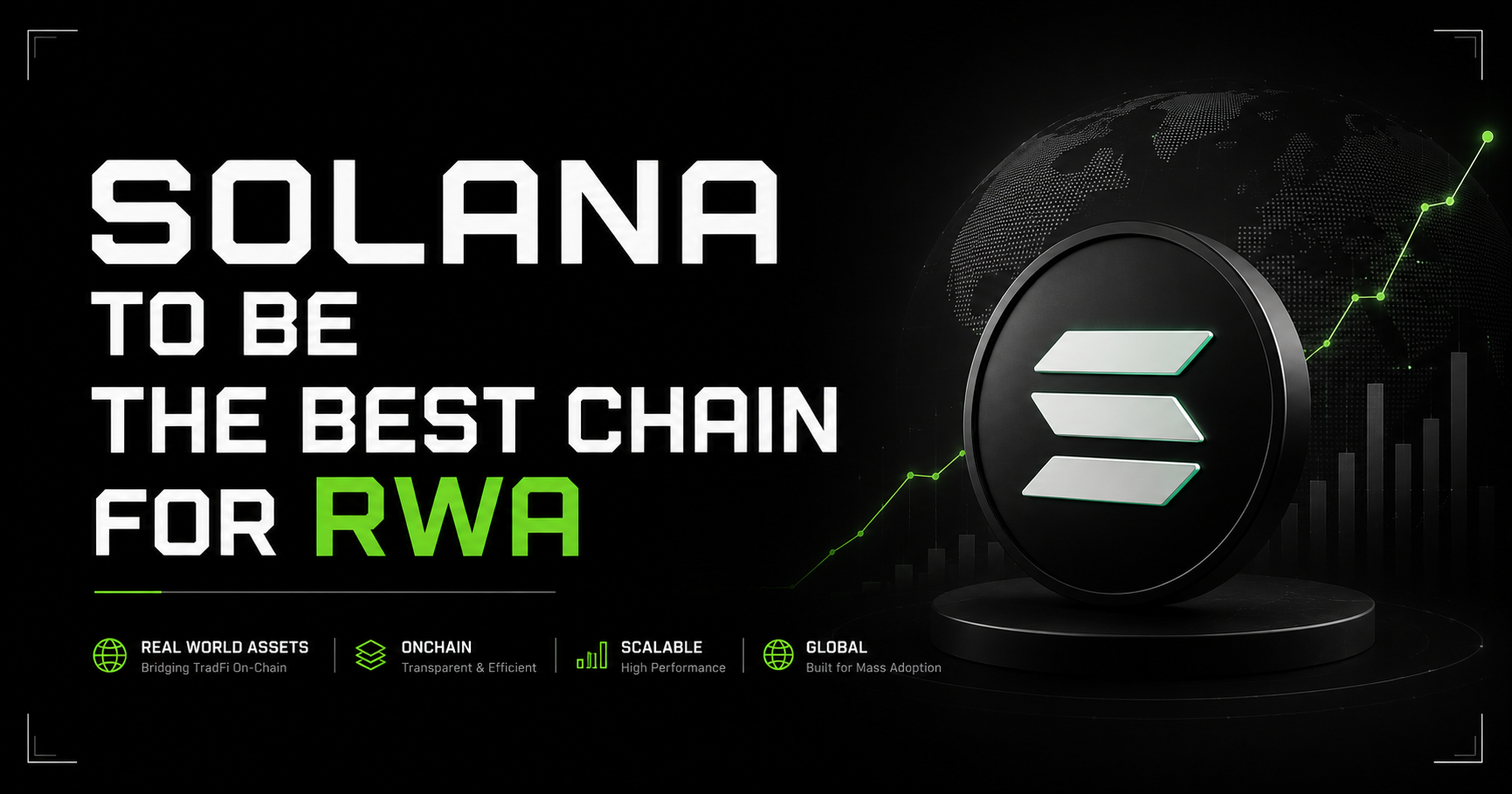
As we step into 2026, Solana has firmly established itself as a frontrunner in the Real World Assets (RWA) token sector, with its market cap recently hitting an impressive $2 billion. This surge is not just a number; it underscores the growing confidence in Solana’s infrastructure and capabilities to handle real-world transactions and assets efficiently. With the recent uptick in interest from various sectors, it’s clear that Solana is not just riding the wave—it's making waves of its own.
Solana's RWA Landscape
For teams tracking solana rwa market, the first question is usually what changed on-chain — not just what was announced.
The surge in RWA tokens on Solana can be directly linked to its expanding ecosystem. With a chain GDP that has reached $342 million, the network has outpaced Ethereum in the RWA market, a significant feat considering Ethereum's established presence in the crypto world. This shift represents a transformative moment for developers and investors alike.
One of the key reasons for this growth is Solana's unique attributes, such as its high throughput and low transaction costs, which have made it an attractive choice for projects looking to tokenize real-world assets. These include everything from real estate to commodities, moving beyond traditional digital assets into tangible value. For instance, we’ve seen projects like Solana-based real estate tokenization platforms that allow users to invest in fractional ownership of properties, a concept that was previously prohibitively expensive for many.
The Evolution of RWA
Real World Assets have gained traction as they provide a bridge between the physical and digital worlds, allowing tokenization of assets that were previously illiquid. In 2026, we've seen teams actively working on projects aimed at tokenizing everything from art to real estate on the Solana blockchain. This diversification is crucial; it not only broadens the use cases for blockchain technology but also enhances liquidity in traditionally illiquid markets.
A prime example is the recent tokenization of art pieces, where ownership shares can be bought and sold on the blockchain. This democratizes access to the art market, allowing more people to invest in high-value items that were once reserved for the wealthy elite.
Performance Metrics
- Market Cap: $2 Billion
- Chain GDP: $342 Million
- DeFi Adoption: Increasing interest from various sectors
These metrics highlight the rapid development and adoption of RWA tokens on Solana. As more users engage with the platform, we can expect this growth to continue, potentially leading to a thriving secondary market for these tokens.
Unique Advantages of Solana for RWA
Solana’s architecture boasts several advantages that make it particularly well-suited for RWA tokenization:
- Scalability: With the capacity to handle thousands of transactions per second, Solana minimizes bottlenecks that can plague other blockchains. This means that during peak times, the network remains efficient and reliable, a crucial factor for applications dealing with real-world assets.
- Low Fees: The transactional cost on Solana is significantly lower than many competitors, making it economically viable for small-scale transactions, which is often a barrier in tokenizing real-world assets. For example, tokenizing a property worth $100,000 might incur fees on other platforms that make it uneconomical, while Solana allows for much lower transaction costs.
- Interoperability: As a multi-chain platform, Solana facilitates the interaction between different assets across various blockchains, enhancing liquidity and usability. This means that assets can be traded seamlessly across platforms, broadening their market reach and appeal.
This combination of features positions Solana as a compelling choice for developers and investors alike.
RWA and Credit Ratings
A noteworthy milestone for Solana in 2026 is its achievement of receiving the first on-chain credit ratings from Moody's for crypto assets. This significant development not only boosts Solana's credibility but also provides a layer of trust that is essential for investors looking to engage in RWA markets. With credit ratings, projects can signal their financial stability and reliability, making them more attractive to potential investors.
Moreover, these credit ratings could pave the way for institutional adoption, as they would provide a framework for assessing the risk associated with various assets on the blockchain. This is particularly critical as Solana continues to develop a more mature financial ecosystem around RWAs. The implications are profound; having credit ratings could lead to lower capital costs for projects and increased investment from institutional players, which, in turn, could further propel the growth of the RWA market.
Insights from the Market
A recent report indicated that Solana's RWA market has surpassed Ethereum, reflecting a notable shift in the crypto space. This change signals that many developers and users are beginning to see the benefits of Solana over its more established competitors. The report highlights:
- Increased developer engagement: More projects are choosing Solana for building RWA solutions. This is evidenced by the growing number of hackathons and developer events focused on RWA applications.
- Growing user base: A larger number of users are adopting Solana for their RWA needs, which is reflected in its market cap growth. As more people recognize the potential of tokenized assets, we can expect user engagement to rise even further.
Practical Takeaways for Investors
For those considering investments in RWA tokens, Solana presents a compelling option. Here are a few practical takeaways:
1. Look for regulatory clarity: As the RWA market evolves, understanding regulatory implications will be crucial for sustainable growth. The crypto industry is still grappling with regulations, and staying informed can safeguard your investments. 2. Evaluate project fundamentals: Not all RWAs are created equal. Research the underlying assets and their value propositions. A tokenized asset with strong fundamentals will likely perform better in the long run. 3. Diversification is key: While Solana is gaining traction, a diversified portfolio can mitigate risks associated with market volatility. Consider spreading investments across different asset classes to hedge against market swings.
Investors should remain cautious, keeping an eye on market shifts and potential regulatory developments that could impact the RWA landscape.
The Future of Solana and RWA
As we progress through 2026, Solana's advancements in the RWA sector signal a promising future not just for the blockchain itself, but for the broader crypto ecosystem. The combination of high throughput, low fees, and groundbreaking credit ratings can potentially lead to an era of mainstream adoption, where real-world assets are easily accessible to everyday users.
In a space that evolves rapidly, keeping abreast of developments and understanding the dynamics at play will be essential for anyone looking to capitalize on the burgeoning RWA market. As we've seen, Solana's unique positioning makes it a pivotal player in the ongoing evolution of how we interact with real-world assets on the blockchain.
Learn more in Devflation Docs, try Token Burn, and review activity on the Explorer.
Sources
- Top 5 platforms to buy RWA tokens in 2026
- Solana RWA market cap hits $2B as chain GDP reaches $342M
- Solana Q1 2026 Report: Chain GDP Hits $342M and $2B RWA Market Overtakes Ethereum
- Solana Scores Crypto’s First Moody’s Credit Ratings Onchain
- Is Solana A Good Crypto To Buy In 2026?
- What Is the Best Crypto to Buy Right Now in 2026: Bitcoin, XRP, Solana, or Hyperliquid?
- Crypto Is Evolving Beyond Bitcoin: Top 2026 Market Trends